When Zach McCoy rode his bike three times around his daily exercise loop near his home in Gainesville, Florida, the last thing he expected was to be a burglary suspect. He always logged his workouts through a fitness app. What he didn’t know was that a home on his route had been robbed. When police served Google with a warrant demanding location data for anyone who had come near the house that day, McCoy’s name surfaced immediately. He had to hire a lawyer just to clear himself, even though the case against him was never filed.
McCoy’s story, recently reported by the Wall Street Journal and other news outlets, illustrates a legal and technological shift that most people don’t know is happening—one that could affect anyone who carries a smartphone, drives a car, or simply goes about their day in a modern city.
What Is a Geofence Warrant?
A geofence warrant is a court order instructing a technology company, most commonly Google, to produce location data for every device within a defined geographic area during a specific time window. Police use them to generate suspect lists when they know a crime occurred at a particular place and time but don’t yet have a name.
The data comes from GPS signals, cell tower pings, Bluetooth, and Wi-Fi connections, and can be quite precise. It can also sweep up dozens or hundreds of people who simply happened to be nearby—commuters, neighbors, delivery drivers, cyclists on their regular route.
These warrants have been used to solve serious crimes. Federal investigators used them to help identify participants in the January 6th Capitol riot. But they have also produced false leads and put innocent people in the crosshairs of a criminal investigation through no fault of their own.
The Supreme Court Is Weighing In
The constitutional question has been building for years, with federal courts split on whether geofence warrants require full Fourth Amendment scrutiny. In Chatrie v. United States, a bank robbery case from Virginia, the Supreme Court heard oral argument in late April. The government’s position is essentially that users who enable location tracking have voluntarily shared that data with Google and retain no privacy interest in it. Defense advocates counter that the assertion that routine app installation constitutes a meaningful consent to mass law enforcement surveillance doesn’t reflect how most people actually understand the technology they use. A decision is expected by early July and could significantly reshape how police access digital location data going forward.
Geofence Warrants Are Only Part of the Picture
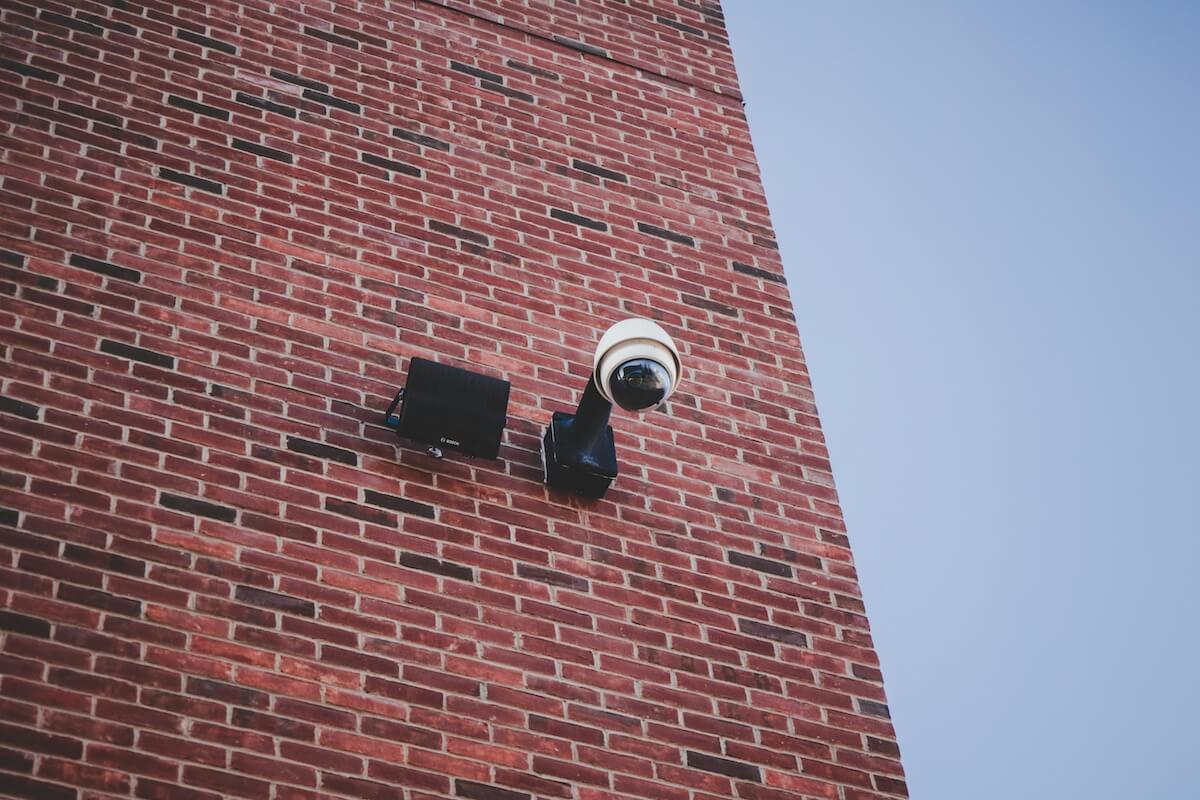
Location data is just one piece of a much larger AI-assisted surveillance toolkit that law enforcement agencies are deploying today.
Facial recognition is perhaps the most widely discussed. Police can now submit a surveillance image to a database and receive a list of potential matches drawn from driver’s license photos, social media, and other sources. The technology can be a genuine investigative asset. It can also cause significant damage. A Black man in Georgia was arrested and jailed for nearly a week for a retail theft that occurred in Louisiana—a state he had never visited—because a facial recognition system misidentified him. Studies have consistently found that facial recognition produces significantly higher error rates for people of color, raising serious questions about its reliability as an investigative tool.
Automated license plate readers are another common tool. Mounted on patrol cars or fixed infrastructure, they scan and log plate numbers continuously, building a running record of where vehicles travel. When a plate is flagged, sometimes incorrectly, the consequences can be serious. In Colorado, police stopped a car at gunpoint, detaining a mother and her four children, including a six-year-old, because a reader had wrongly matched her vehicle to a licence plate for a stolen motorcycle from another state.
Beyond identification tools, some agencies use predictive policing software that claims to forecast where crimes are likely to occur or flag individuals deemed statistically likely to re-offend. The evidentiary basis for many of these tools is thin, and their potential to encode and amplify existing biases in the criminal justice system has drawn sustained criticism from researchers and civil liberties organizations alike.
What’s Happening in Massachusetts
Massachusetts has been more active than most states in navigating these issues, but important gaps remain.
The 2020 Police Reform Act imposed court-order requirements on facial recognition searches and mandated that agencies document their use. On digital location data more broadly, the SJC has historically been protective. In Commonwealth v. Augustine (2015), the court held that obtaining historical cell site location information requires a warrant supported by probable cause, going further than federal law required at the time. Massachusetts courts have consistently recognized that Article 14 of the state’s Declaration of Rights may afford greater privacy protections than the federal Fourth Amendment.
Perhaps most striking is a case now pending before the SJC, Commonwealth v. Jironvil, in which a geofence warrant was obtained and the data it returned was actually exculpatory: it showed that the defendant’s cell phone was not detected near the scene of a fire at the time of the alleged arson that he was convicted of. According to the filings, the Commonwealth withheld that evidence. The SJC has solicited amicus briefs, signaling it views the case as significant. It raises a question that rarely gets discussed in the public debate about these tools: geofence data doesn’t just incriminate. It can also establish innocence, and defendants may never know it exists unless someone demands disclosure.
What You Should Do If You’re Facing a Charge
If you or someone you know is facing a criminal charge involving digital evidence, the investigative origins of the case matter—and they are not always apparent from the charging documents. Digital evidence is not foolproof. Geofence data, facial recognition hits, license plate reads, and other AI-assisted tools all carry error rates and legal vulnerabilities that an experienced defense attorney can evaluate and challenge.
The law in this area is also actively developing. The Chatrie decision expected this summer and the pending Jironvil case before the SJC may open new avenues for challenging evidence that don’t yet exist today.
At Mountain Dearborn, we stay current on developments in criminal defense law, including the rapidly changing landscape around digital surveillance and AI. If you have questions about a criminal matter, contact our team. We’ll help you understand your rights and what options may be available.
Written with AI assistance and fact-checked by Ryan Donahue
Image: Yassine Khalfalli